
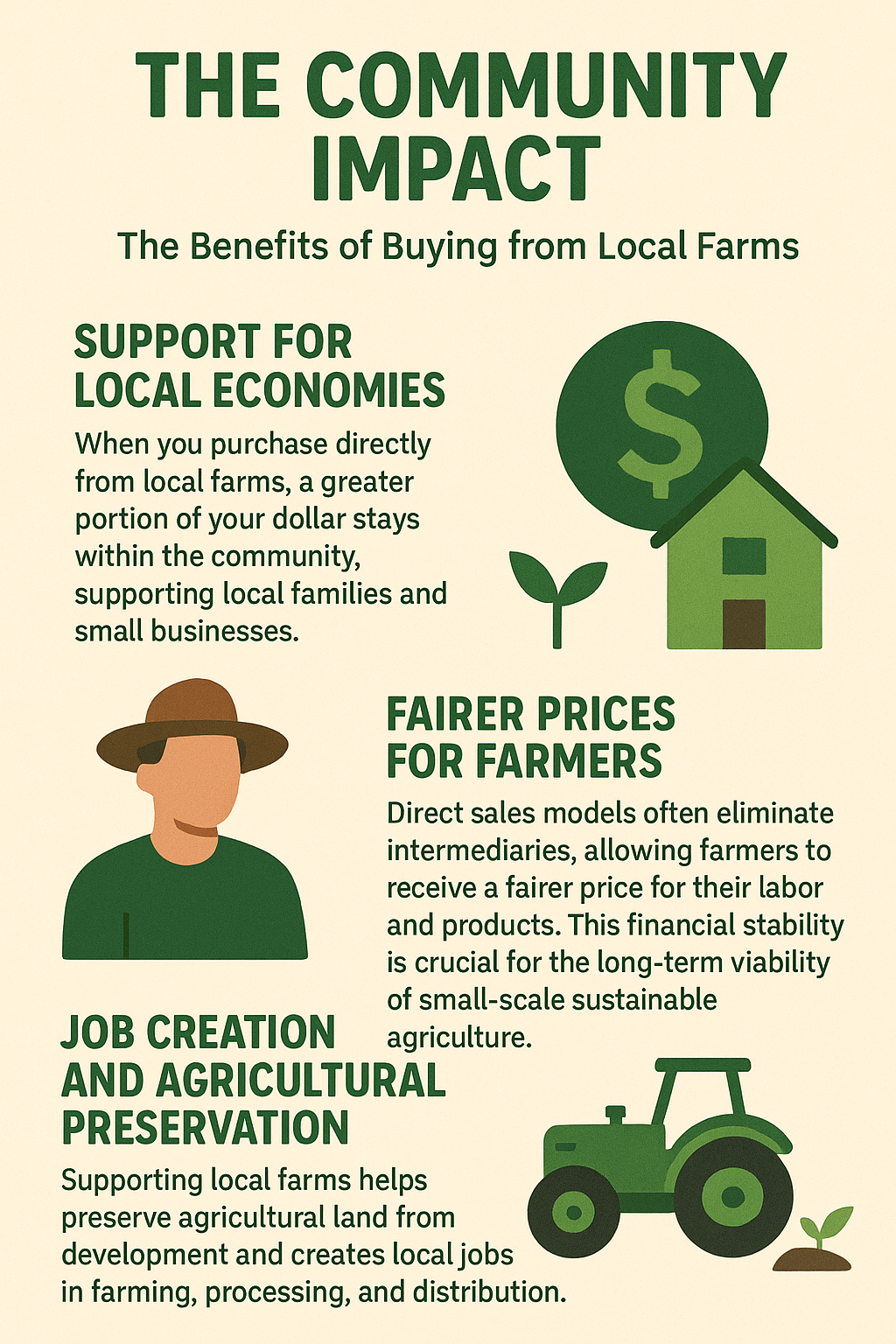
Behind every farmers’ market stall and roadside produce stand lies an ecosystem of livelihoods. When consumers buy locally, they do more than fill their baskets—they help sustain families, preserve land, and invigorate regional economies. Every shilling spent directly with a farmer circulates within the community, supporting local transporters, processors, and retailers. This multiplier effect is what makes farm-to-table systems powerful engines of grassroots growth—a counterbalance to the faceless global supply chains that often extract more than they give back.
For the farmers themselves, this shift toward local and organic markets is a matter of survival and dignity. By cutting out intermediaries, they retain a fairer share of their earnings, enabling them to invest in better practices and secure futures for their families. It’s not just about fair prices; it’s about restoring balance to a system that has long undervalued the very people who feed the world. Sustainable agriculture becomes viable only when it’s profitable enough to keep farmers on their land and young people interested in farming.
This movement towards local sourcing and organic integrity is also a bulwark against the erosion of food sovereignty. Every local purchase safeguards agricultural land from speculative development, preserves rural heritage, and creates jobs that anchor communities. In essence, the consumer becomes a co-creator of sustainability—each choice weaving a thread into a stronger, self-reliant economy. Buying local is not charity; it’s enlightened self-interest, a way of investing in a healthier, more sustainable tomorrow.
Leave a Reply